{item_alt_tag}

27 March 2026


Casca Quiz Night

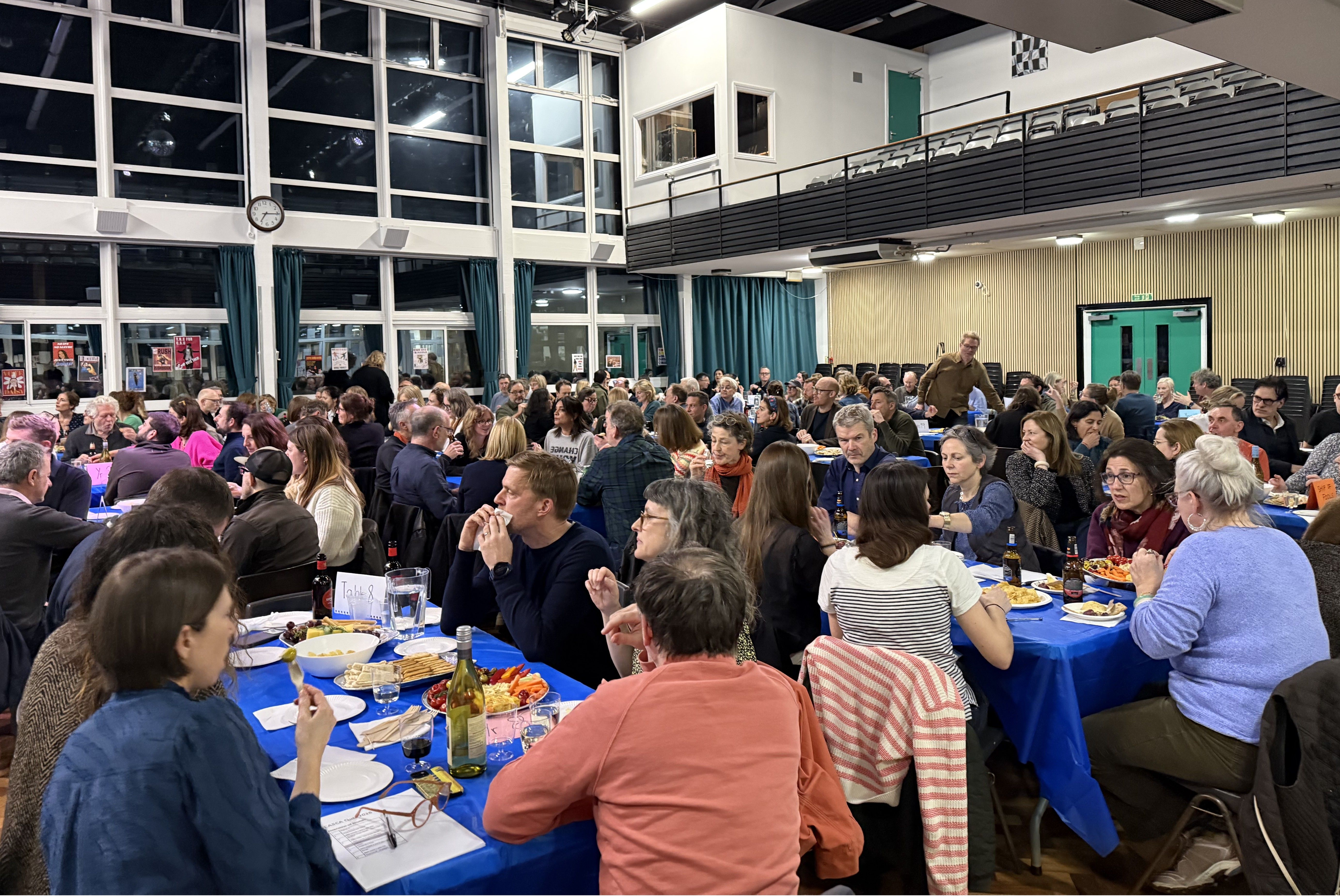
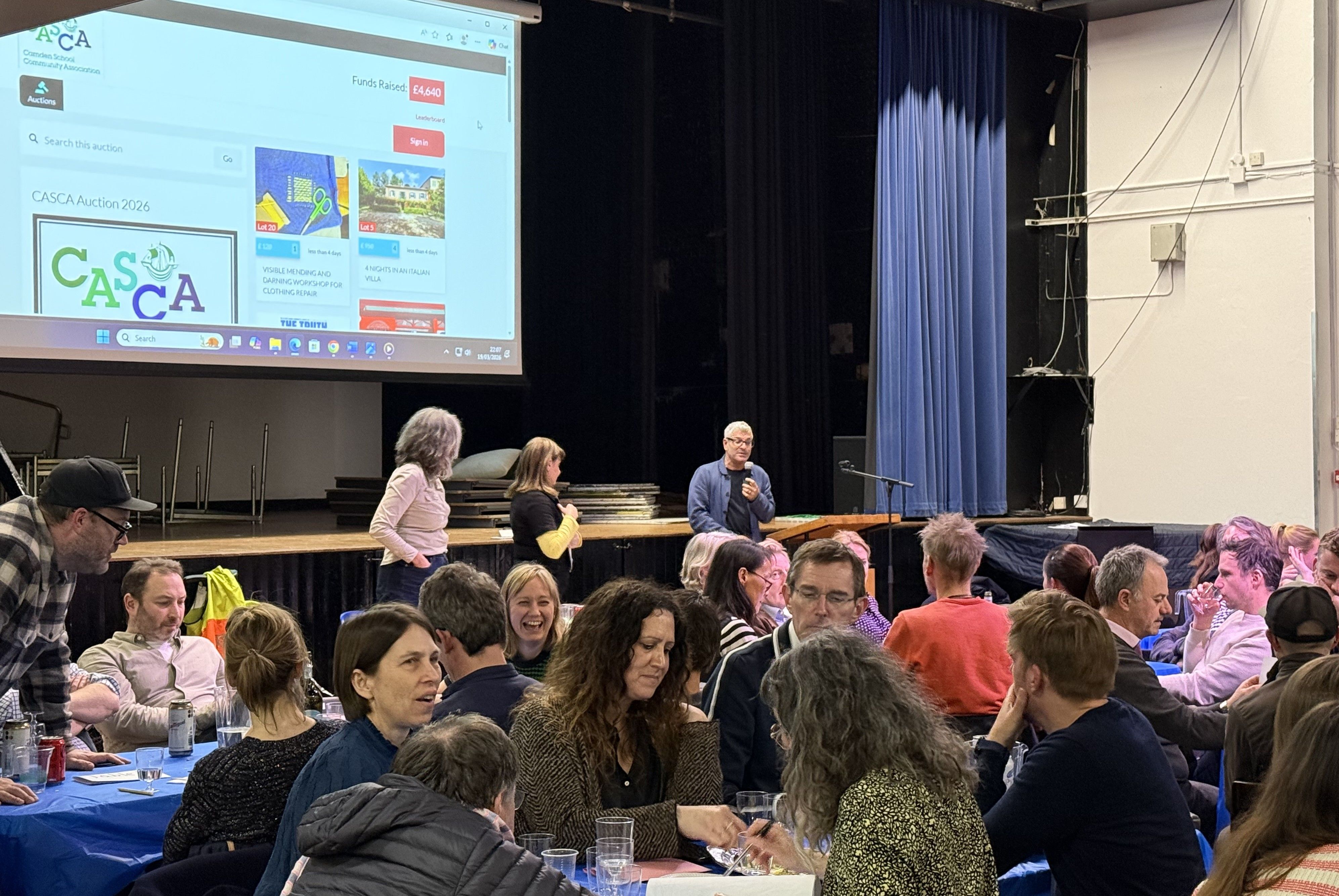
CASCA quiz night and online auction took place on 19 March. It was yet another successful event, raising £12.5k for the school to enable it to continue to provide top-class provision for all CSG students. Of the money raised:

  • £6020 was from advanced ticket sales for quiz night;
  • £4845 was from the jumblebee online auction; and 
  • £1632 was from ticket and drink sales on the night.

Many thanks to everyone who came out for quiz night and to all those who donated and bid on items on the online auction.

We would like to gratefully acknowledge Jason Solomons for being a great quiz master. Thanks also to Ms Olivia Camillo and Ms Philippa Schoefield for helping out on the evening.  

{item_alt_tag}
{item_alt_tag}

We look forward to your support at Summerfest, our last fundraising event of the year which takes place on Friday, 19 June 2026.

Please save the date!!

CASCA Team


Spring Term Newsletter

Celebrating our Donors

A heartfelt thank you to all our donors. Your generous support is vital to our school and truly benefits every pupil. As we prepare to celebrate everything that makes Camden School for Girls so special this Founder's Day, we are delighted to share the recent achievements and new initiatives your contributions have made possible. Please follow the link below for details:

Happy Founders Day 2026


Art Department Paris Trip

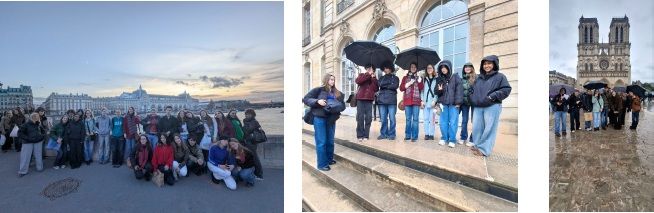
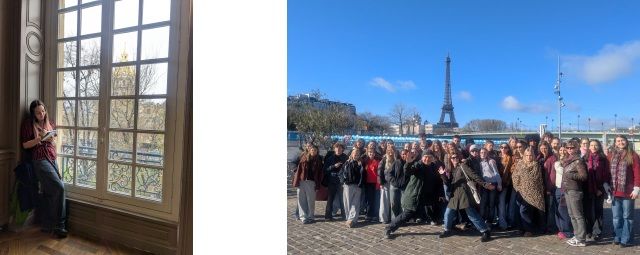
A group of forty Y12 Art, History of Art and Photography students went on a four day trip to Paris. On the first day, after an interesting breakfast of baguette and jam and one of our rooms being flooded, we spent the majority of our time venturing around the Louvre Museum, where there was an endless supply of historical works of art. My personal favourites were the mummified cats, fish and alligators. From there we regrouped at the L’Orangerie and were ushered along by hurried French museum staff, whereby we got to view the beautiful large scale paintings of lily pads and waterponds by Monet. Finally, after an exhausting day, we ended with a visit to the Musée D’Orsay where the highlight for many was the large clock that looked out onto a view of Paris. In the evening, we got to enjoy dinner with friends.

{item_alt_tag}
{item_alt_tag}

The next day was just as eventful, starting with the Musee Rodin, where we experienced the history of Auguste Rodin’s sculpture work, followed by the Musee du Luxembourg with a retrospective of the Surrealist artist Leonora Carrington. The photography students then parted ways with the rest of the group to see the amazing work of documentary photographer Dana Lixenburg, in particular her project: Imperial Courts. Lixenburg created a lasting connection with her subjects and returned several times over twenty years to photograph them.

The trip ended with a boat tour of the river Seine where we experienced a picturesque view of Notre Dame and the Eiffel Tower. Overall, this was an exciting and amazing opportunity for all of us, and we saw first hand a wealth of Art and Photography that I know will influence our personal work over the course of our studies.

Evie Y12
Art and Photography student


Year 12 Geography Trip to Sussex

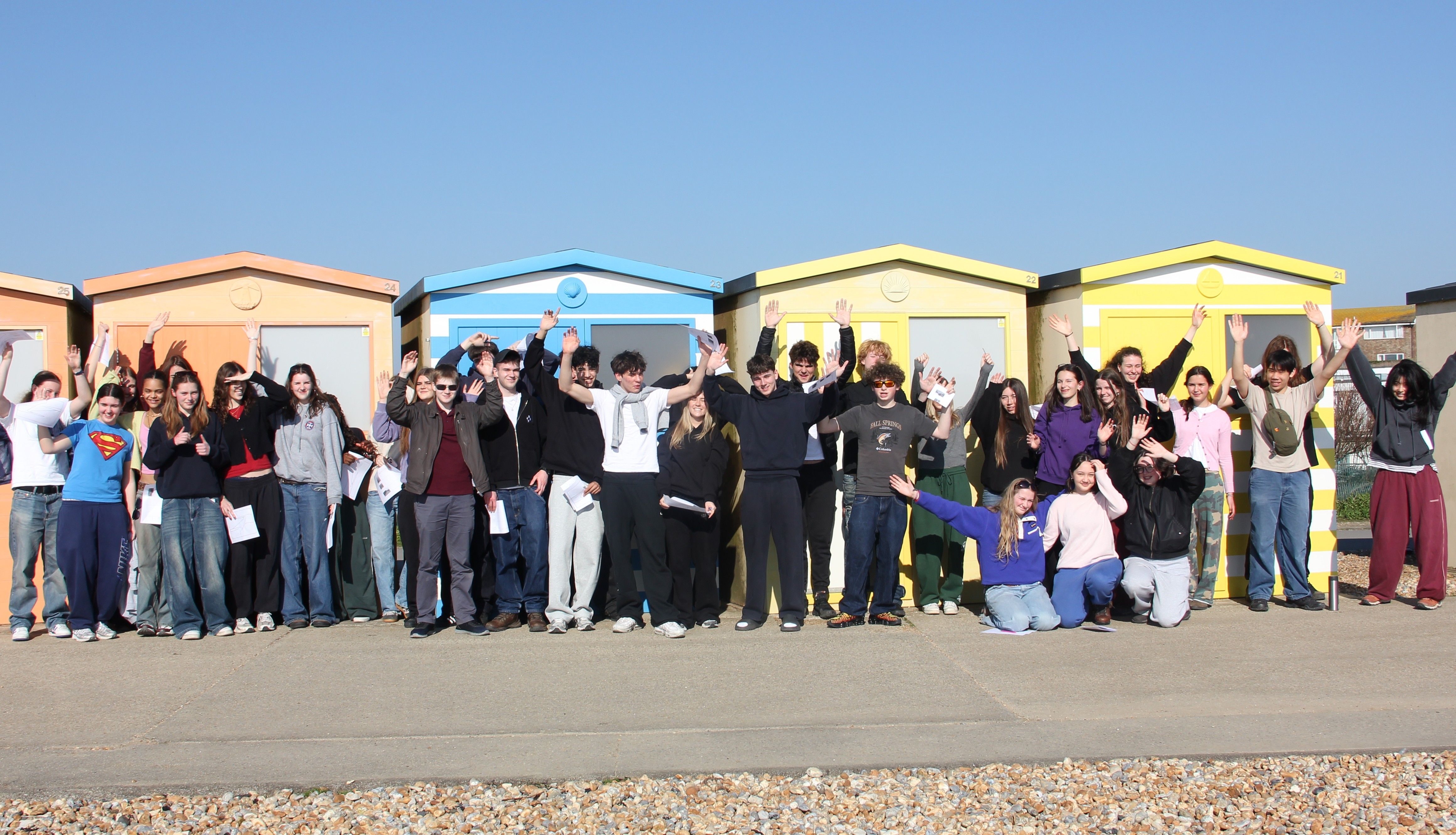
Last week the Geography Department took 37 A-level students to East Sussex to study coastal landforms, beach morphology and coastal management, as well as gaining some invaluable fieldwork skills needed for their coursework. The students worked hard, and the weather was ideal for a geography field trip.

A good time was had by all.

{item_alt_tag}

Y8 Trip to Romeo & Juliet at the Globe 

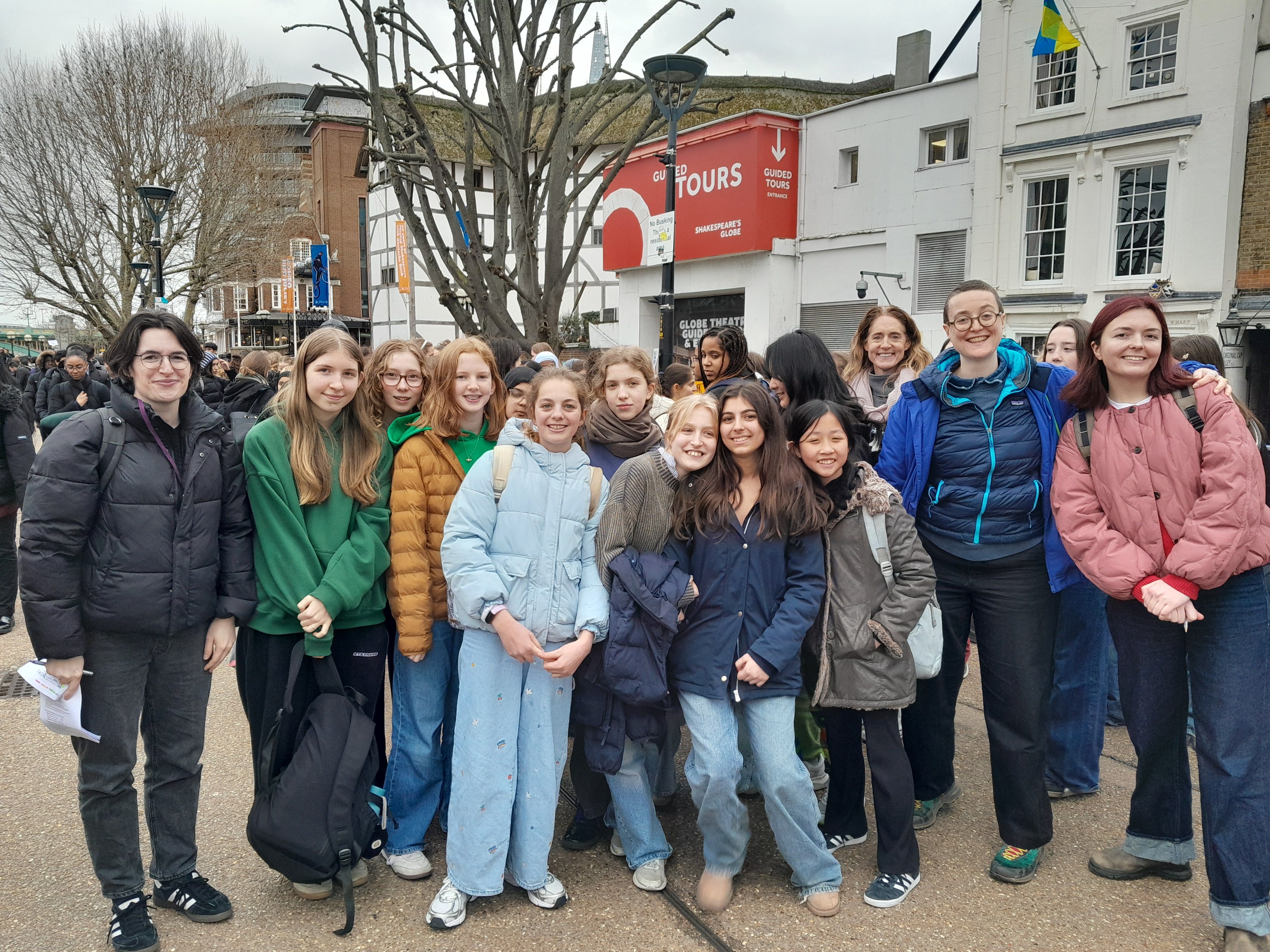
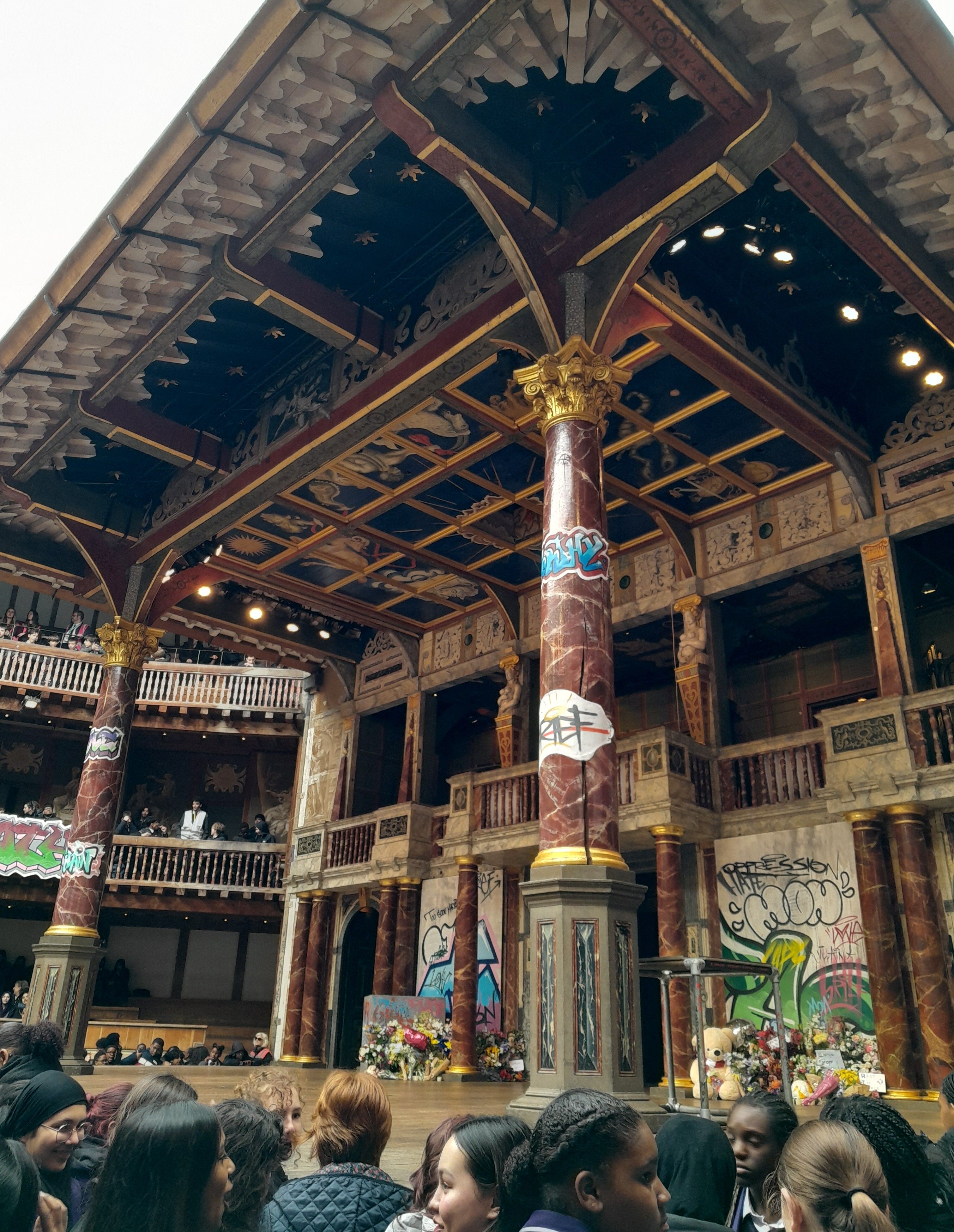
On Monday 16 March, the whole of Year 8 went to Shakespeare's Globe theatre to see a brilliant production of Romeo and Juliet, which students have been studying in their English lessons. They were all attentive and engaged, and we were very proud of them. Below are some students' responses to the show. 

Ms Trench

Esme 8M & Beatrice 8R:
To get to the Globe, we took the train to Blackfriars station, and it was amazing to walk along the Thames, right in the middle of London. 'Romeo and Juliet' was performed in Shakespeare’s Globe, built in 1599, where his plays were first performed. However, the play was much more modern as the two families were gangs, dressed in Adidas tracksuits. There was lots of interaction between the audience and the actors; for example, when Paris pointed at our very own Ms Neuburger! We also enjoyed how various actors rode BMXs through the crowd and did tricks over our heads. Most of us were standing throughout the play and although this was hard work, the interaction was worth it. 

Sofia 8C:
It was so much fun going to see Romeo and Juliet with the year group. I really liked the whole production. My favourite part was when Juliet was having the dream in her head, and it was a pink fusion party with all the characters except Romeo! 

{item_alt_tag}
{item_alt_tag}

Willow 8C and Laura 8C
We travelled by overground train from Camden to Blackfriars station, and walked along the River Thames to reach the theatre. It was lovely to be in the heart of London all together for this trip, enjoying the culture, sunny weather and music as we went to our destination. When we entered the Globe, which was built in 1599, we noticed how it had stayed true to its original architecture; the seats and stands in which real people would have sat were still there. 

As we had standing tickets, we got to have an immersive experience as the characters ran through the crowd between scenes. From the beginning, it was clear the play had taken a modernised approach, all the characters talked in slang, had mobile phones and there were even BMX Bike riders doing cool stunts on and off the stage, which played a big part in the play. It lasted almost 90 minutes, and they had live music to add sound effects in fight scenes, like big drums and a crashing sound. From the start, the play included many stunts in fighting, and fake blood in the costumes to make it look like real injuries. The play included BMX Biker gangs in balaclavas doing stunts during fight scenes or just during the play to make it interesting. 
To modernise it more, they also included fun dance scenes. All the characters wore sparkly gold clothes, the only exception to the Adidas tracksuits, and put on a show. Another way they made it feel current was by using phones to add to the story line. This included characters getting their phones mugged or characters like Tybalt taking photos of Mercutio after killing him. 

We loved the play, and all the other school kids in the theatre seemed to enjoy it too, and although we all thought they were sponsored by Adidas considering that that was their whole wardrobe in the play, it was a lot of fun! After it was finished, we went outside and even saw the actor who played Tybalt as we walked home. It was an amazing experience, and everyone enjoyed the day out at the Globe to see Romeo and Juliette. 


This Month in Medicine – March 2026

Earlier this month the infamous meningitis outbreak began in Kent. The UKHSA, who has been investigating the outbreak, has confirmed through genetic analysis that the group B meningococcal strain is the culprit behind this. The scientific name for the bacterium is Neisseria meningitidis. It is commensal, meaning it can exist in the human body without causing infection until there is a change in conditions which triggers it to do so. In the case of meningitis, the bacteria will reside in a dormant state at the top of your throat. Meningitis only occurs when the bacteria enter the bloodstream and cross the blood-brain barrier to infect the meninges - membranes which surround your brain and spinal cord. Consequently, having a stiff neck, sensitivity to light and headaches are notorious symptoms of meningitis. The signature meningitis rash is caused when chemicals released by the bacteria damage the blood vessels, causing blood to leak out into nearby tissue. The majority of the cases in Kent have been in students from the University of Kent and sixth form students surrounding the area. This is believed to be because of frequent close contact such as kissing and sharing vapes. Meningitis is tested for by a spinal tap, where doctors take a sample of your cerebrospinal fluid and analyse it. So far a 21-year-old university student and an 18-year-old school pupil have unfortunately passed away, giving a “wake up call” to health authorities. The UKHSA are currently offering Kent students both a vaccine and a preventative antibiotic treatment. The outbreak seems to be improving; on the 22nd of March, the Guardian published an article writing that the total number of cases (both suspected and confirmed) was now “at 29, down from 34 reported on Saturday”.

After experiencing its busiest winter on record resulting in appallingly long waiting hours in A&E, the NHS set out an official definition of corridor care on the 4th of March, enabling hospitals to record instances of corridor care. The definition includes a set of criteria, such as “Can dignity be maintained including access to food, water, toilets?” and “Has the trust’s Infection Prevention and Control team confirmed appropriateness of the space being occupied?”. Only two days prior on March 2nd did the BBC publish an article highlighting the severity of long waiting hours in A&E. The BBC investigation revealed that “52,000 patients waited longer than 24 hours to be admitted to hospitals across north-west England last year”. The fact that there is now a criteria that all NHS hospitals will use to be able to report corridor care indicates that the NHS is now actively trying to reverse the long waiting hours. In addition to this, on the same day as the definition was set, the NHS outlined a plan to prevent corridor care. Policies for this involved campaigns to increase awareness on ED alternatives (e.g. calling 111) and setting further expectations for senior clinicians to make decisions faster, thereby delegating the workload to more senior roles to reduce the pressure on other hospital staff such as nurses.

On March 11th, NICE approved a new non-hormonal treatment for hot flushes and night sweats caused by menopause. The drug is called Fezolinetant and can be used when hormone replacement therapy (HRT) is not a suitable treatment - for instance, patients with a history of hormone-dependent cancers like ovarian cancer. Fezolinetant instead targets the nerve pathways and is a receptor antagonist. Receptor antagonists work by blocking receptors which act as sensors in the body, activating when the correct chemical “sticks” to it. In the case of Fezolinetant, it blocks the receptor responsible for triggering night sweats and hot flashes. The NHS are now prescribing the treatment to patients, with NICE reporting that 500,000 patients are currently eligible to benefit from the new treatment.

This year, the US placed a fuel blockade on Cuba and tariffs on imports into the US from countries who supply oil to Cuba. This has caused an economic crisis and has been detrimental Cuban healthcare. With lack of fuel, hospitals lack a source of  reliable electricity, disrupting patient care and delaying procedures which have been deemed non-urgent. Medicine supplies are also decreasing. In particular, antibiotics and common hospital drugs. This has resulted in more individuals turning to the black market to access treatments. Not only does this increase inequality as only those with money are able to obtain these treatments, but prices for these drugs sharply increase as well. Although Cuba has been able to independently create their own drugs, e.g. the vaccine QuimiVio, they are finding it increasingly difficult to produce these drugs. This is due to limited access to the necessary materials to manufacture these. Consequently, Cuba now has a declining vaccination coverage. The Cuban embassy in the UK estimates that 30,000 children are missing vaccines, a stark contrast to the 98% vaccination coverage reported by UNICEF in 2024.

This month in medicine has been noticeably eventful with quite a few significant articles being published to websites such as the BMJ and the Lancet. The NHS’ new efforts to put a stop to corridor care is very heartening following months of staff and patients suffering from it. We may also be thankful that the meningitis outbreak appears to be under control. Even so, do refrain from kissing others as you never know what’s living in their nasopharynx! The new drug available as a treatment to menopause is a hopeful sign that women’s health is finally being more researched and the day-to-day wellbeing of females will be improving. Hopefully conditions will miraculously improve for Cuba - not just in medicine, but in all aspects.

Camden Foodbank

A massive big thank you to all the staff, parents and students who have donated food and toiletries for our latest collection.

We really appreciate your understanding and your continued support.

Jackie Pepper
Support Manager
Camden Foodbank